
Douglas-Fir Solid Sawn Timbers Gain Industry-wide Environmental Product Declaration
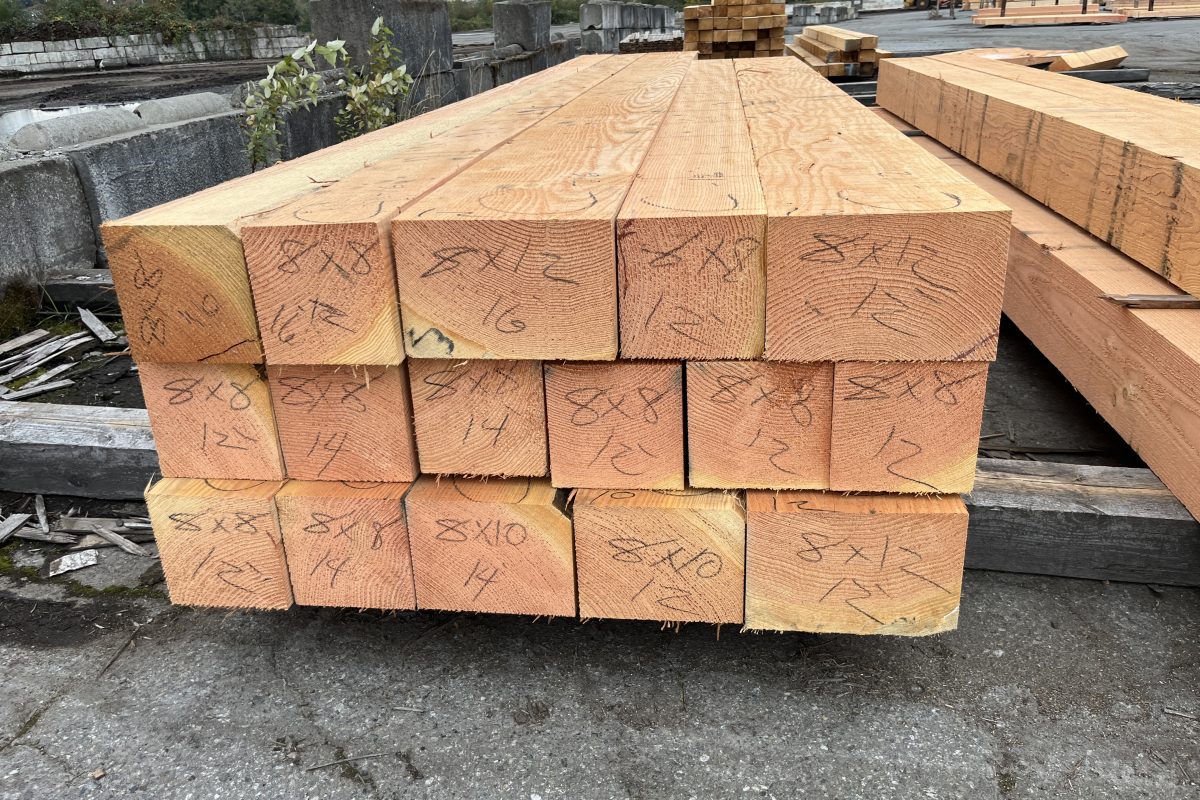
New industry-wide Environmental Product Declaration provides verified environmental data to support specification and informed decision making for Pacific Northwest Douglas-fir solid sawn timbers.
SEATTLE, October, 6, 2026 — Architects, engineers, and builders now have access to a new industry-wide Environmental Product Declaration (EPD) for Pacific Northwest Douglas-fir solid sawn timbers. Commonly used in heavy timber construction and exposed architectural applications, these structural wood products are valued for their strength, durability, and appearance. The EPD offers independently verified environmental data to help project teams evaluate and specify materials, expanding opportunities for Pacific Northwest Douglas-fir in projects where transparent environmental information is increasingly important.
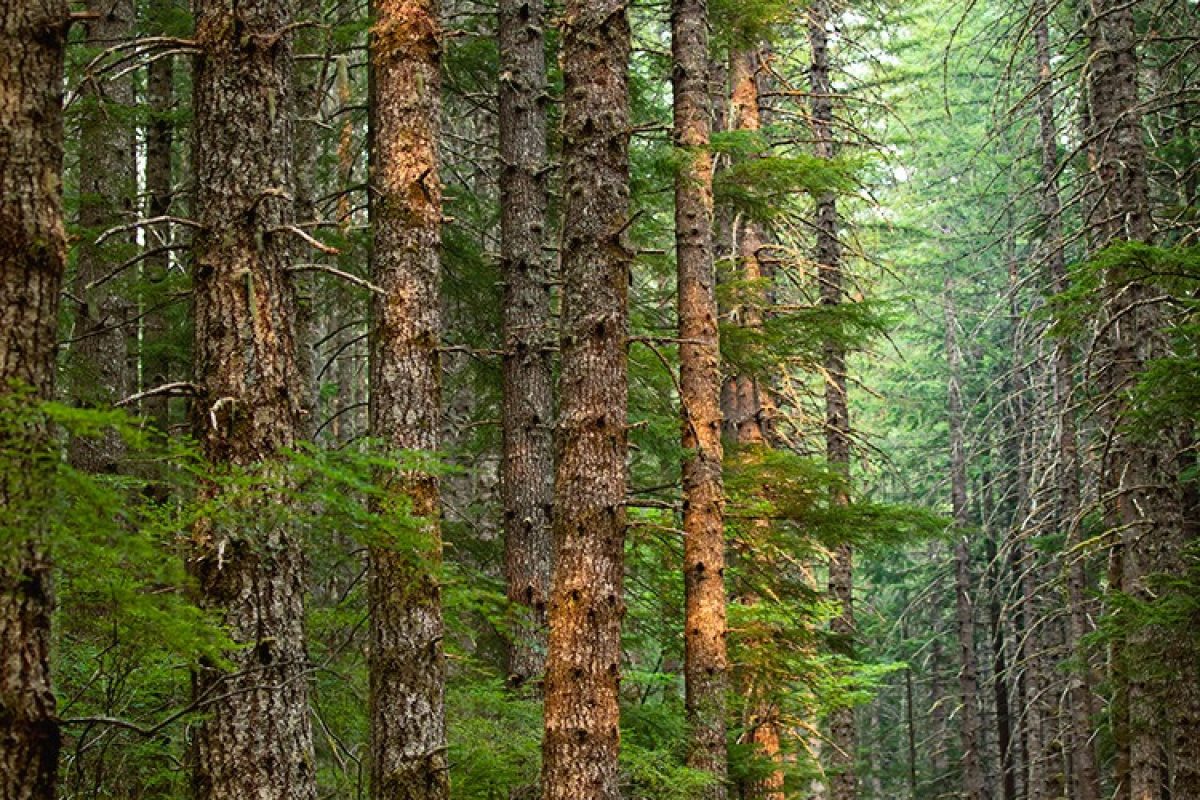
Port Blakely contributed representative forestry data for the life cycle assessment, highlighting the unique extended rotation management required to grow the large-diameter Douglas-fir logs used to produce solid sawn timbers. The Consortium for Research on Renewable Industrial Materials (CORRIM) developed the Industry Average EPD, with Sustainable Northwest as the declaration owner, and it was independently verified by Thomas Gloria, Ph.D., Industrial Ecology Consultants. The resulting EPD supports whole building life cycle assessments, embodied carbon calculations, and green building rating systems such as LEED.
"This Environmental Product Declaration helps ensure Pacific Northwest Douglas-fir solid sawn timbers can compete in projects that increasingly require transparent environmental information," said Jason Dorn, market development manager at Port Blakely. "It recognizes the long-term forest stewardship needed to grow these unique products and highlights the value of forests managed in extended rotations to produce large diameter Douglas-fir, including cleaner water and air, healthier wildlife habitat, and long-term carbon storage.”
"Trees sequester carbon at a higher annual average rate when they’re grown even just a bit longer than standard rotation lengths. The sweet spot is referred to as ‘biological rotation age’,” said Evan Schmidt, wood markets program manager at Sustainable Northwest. “Economic and supply chain factors tend to incentivize landowners towards shorter rotations. But when markets and buyers recognize the additional value of longer rotations and the products associated with them, like solid sawn timbers, landowners earn more and then have the means and incentive to grow their trees longer. This EPD is a step towards improving that market recognition."
One of the challenges in the marketplace is also mill capacity. In order for landowners to grow older, larger trees, they need mills that are specialized to cut larger logs. These mills in turn depend on demand for their product. "Many mills have shifted towards handling smaller size logs that correlate to standard, shorter commercial rotations. A drop in demand for larger logs, or a loss of specialized mills that can handle larger logs, is a real factor that can force landowners to switch from extended to shorter rotations." Schmidt said.
Common applications for Pacific Northwest Douglas-fir solid sawn timbers include posts, beams, and columns found in applications ranging from timber frame homes to large commercial and institutional projects. The EPD gives project teams additional environmental information to consider when specifying these products for those applications.
-------------------
Additional Resources
Environmental Product Declaration: The Environmental Product Declaration is available through CORRIM's Library of LCAs on Wood Products under Environmental Product Declarations as Douglas-fir Solid Sawn Timbers. Thomas Gloria, Ph.D., of Industrial Ecology Consultants independently verified the EPD.
Frequently Asked Questions: Learn more about Pacific Northwest Douglas-fir solid sawn timbers, long-rotation forestry, environmental product declarations, and the role these products play in supporting sustainable forest management and construction projects. [Read the FAQ]
Product Availability: Pacific Northwest Douglas-fir solid sawn timbers are available from a variety of regional manufacturers, distributors, and suppliers, including Canyon Lumber, The Buse Mill Company, Fritch Mill, Manke Lumber Company, Sundher Timber Products, and Elk Creek Forest Products.
Sourcing Assistance: For assistance with sourcing Douglas-fir solid-sawn timbers or connecting with suppliers, contact Sustainable Northwest's Wood Advisor program. The program works with forest landowners, sawmills, manufacturers, distributors, and project teams to help identify wood products that meet project requirements.
About Sustainable Northwest
Sustainable Northwest was founded in 1994 to forge locally led solutions so nature, people, and local economies can thrive. We partner with Tribal and rural communities throughout the Northwest on projects that promote smart water use, clean energy, and healthy forests, farms, and ranches. Our wood markets program sourced all of the wood for the new Portland International Airport main terminal from local, family and Tribally owned forests managed for sustainability.
About Port Blakely
Port Blakely is a sixth-generation family-owned forestry company managing working forests in Washington, Oregon, and New Zealand. For more than a century, the company has practiced sustainable forest management that balances timber production with stewardship of the land. Port Blakely grows and markets renewable forest products while investing in healthy forests, thriving communities, and the long-term productivity of its working forestlands.